

Sanskrit Verse
न च श्रेयोऽनुपश्यामि हत्वा स्वजनमाहवे।।1.31।।
English Translation
1.31. And I see adverse omens, O Kesava. I do not see any good
in killing my kinsmen in battle.
Hindi Translation
।।1.31।।हे केशव ! मैं शकुनों को भी विपरीत ही देख रहा हूँ और युद्ध में (आहवे) अपने स्वजनों को मारकर कोई कल्याण भी नहीं देखता हूँ।
Detailed Meaning
English
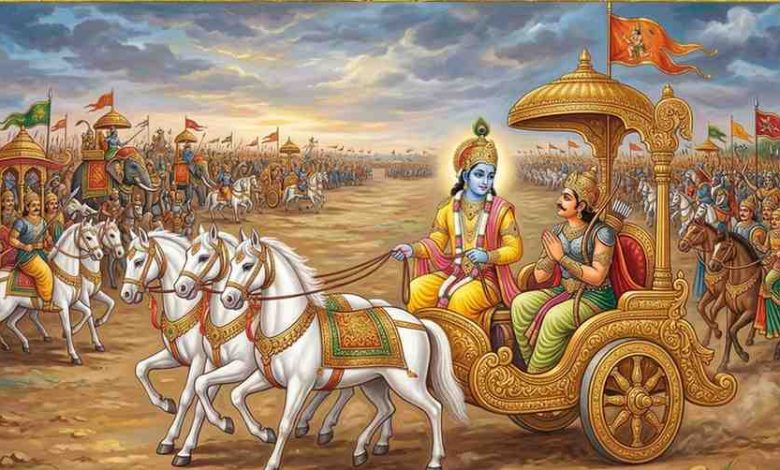
In this verse from the Bhagavad Gita, Arjuna expresses his deep moral dilemma as he stands on the battlefield, facing his own relatives and loved ones. He perceives ominous signs suggesting that engaging in battle against his kin will lead to disaster, both personally and spiritually. Arjuna’s hesitation reflects a profound internal conflict: the warrior’s duty to fight is at odds with his compassion for family. He articulates a belief that violence against loved ones can never yield positive outcomes. This verse emphasizes the importance of ethical decision-making and the consequences that arise from actions taken against one’s own values and relationships. It highlights the struggle between dharma (duty) and adharma (non-duty), encouraging individuals to consider the broader implications of their actions.
Hindi
भगवद गीता के इस श्लोक में, अर्जुन युद्ध के मैदान में खड़े होकर अपने रिश्तेदारों और प्रियजनों का सामना करते हुए अपनी गहरी नैतिक दुविधा व्यक्त करते हैं। वह विपरीत संकेतों को देखता है जो यह दर्शाते हैं कि अपने ही परिवार के खिलाफ लड़ाई में शामिल होना आपदा का कारण बनेगा, व्यक्तिगत और आध्यात्मिक रूप से। अर्जुन का हिचकिचाना एक गहरे आंतरिक संघर्ष को दर्शाता है: योद्धा का कर्तव्य लड़ना है, जबकि परिवार के प्रति दया उसका विरोध करती है। वह यह विश्वास व्यक्त करते हैं कि प्रियजनों के खिलाफ हिंसा कभी भी सकारात्मक परिणाम नहीं दे सकती। यह श्लोक नैतिक निर्णय लेने के महत्व और उन परिणामों पर प्रकाश डालता है जो अपने मूल्यों और रिश्तों के खिलाफ की गई क्रियाओं से उत्पन्न होते हैं। यह धर्म (कर्तव्य) और अधर्म (गैर-कर्तव्य) के बीच संघर्ष को उजागर करता है, व्यक्तियों को उनके कार्यों के व्यापक निहितार्थ पर विचार करने का प्रोत्साहन देता है।
Practical Wisdom
English
This verse reminds us to pause and reflect before making significant decisions, especially those that may harm our relationships. It emphasizes the importance of compassion and understanding in our actions. In professional and personal life, we often face situations where our duties conflict with our values. By taking a moment to consider the potential consequences of our actions on our loved ones, we can navigate these challenges with greater wisdom, ultimately leading to more harmonious relationships and a clearer conscience.
Hindi
यह श्लोक हमें महत्वपूर्ण निर्णय लेने से पहले रुककर विचार करने की याद दिलाता है, विशेष रूप से उन निर्णयों पर जो हमारे रिश्तों को नुकसान पहुँचा सकते हैं। यह हमारे कार्यों में करुणा और समझ के महत्व पर जोर देता है। पेशेवर और व्यक्तिगत जीवन में, हम अक्सर ऐसे हालात का सामना करते हैं जहां हमारे कर्तव्य हमारे मूल्यों के साथ टकराते हैं। अपने प्रियजनों पर अपने कार्यों के संभावित परिणामों पर विचार करने के लिए एक पल निकालकर, हम इन चुनौतियों का अधिक बुद्धिमानी से सामना कर सकते हैं, जो अंततः अधिक सामंजस्यपूर्ण रिश्तों और स्पष्ट विवेक की ओर ले जाता है।
Life Application
English
Arjuna’s struggle can be a metaphor for our own inner conflicts. When faced with difficult choices, especially those impacting our loved ones, we must weigh our responsibilities against our emotional ties. This can guide us in personal development by encouraging empathy, self-reflection, and mindfulness. By recognizing the human side of our decisions, we can foster stronger bonds and make choices that align with our values, ultimately leading to a more fulfilling life.
Hindi
अर्जुन का संघर्ष हमारे अपने आंतरिक संघर्षों का एक रूपक हो सकता है। जब हमें कठिन विकल्पों का सामना करना पड़ता है, विशेष रूप से जो हमारे प्रियजनों को प्रभावित करते हैं, तो हमें अपनी जिम्मेदारियों को अपने भावनात्मक संबंधों के खिलाफ तौलना चाहिए। यह हमें व्यक्तिगत विकास में मार्गदर्शन कर सकता है, सहानुभूति, आत्म-चिंतन और सतर्कता को प्रोत्साहित करता है। अपने निर्णयों के मानवीय पक्ष को पहचानकर, हम मजबूत बंधनों को बढ़ावा दे सकते हैं और ऐसे विकल्प बना सकते हैं जो हमारे मूल्यों के अनुरूप हों, अंततः एक अधिक संतोषजनक जीवन की ओर ले जाते हैं।
Spiritual Insight
English
On a spiritual level, this verse underscores the significance of inner peace and the moral dilemmas we face. Arjuna’s vision of adverse omens symbolizes the universal struggle between duty and personal values. This conflict invites us to assess our motivations and the spiritual repercussions of our actions. Engaging in self-inquiry and understanding the deeper purpose behind our decisions can lead to spiritual growth and enlightenment, reminding us that true dharma often involves compassion over mere duty.
Hindi
आध्यात्मिक स्तर पर, यह श्लोक आंतरिक शांति और नैतिक दुविधाओं के महत्व को उजागर करता है। अर्जुन की विपरीत संकेतों की दृष्टि धर्म और व्यक्तिगत मूल्यों के बीच सार्वभौमिक संघर्ष का प्रतीक है। यह संघर्ष हमें अपनी प्रेरणाओं का मूल्यांकन करने और अपने कार्यों के आध्यात्मिक परिणामों को समझने के लिए आमंत्रित करता है। आत्म-निरीक्षण में संलग्न होना और अपने निर्णयों के पीछे की गहरी उद्देश्य को समझना आध्यात्मिक विकास और ज्ञान की ओर ले जा सकता है, हमें याद दिलाते हुए कि सच्चा धर्म अक्सर केवल कर्तव्य के बजाय करुणा में निहित होता है।
Modern Context
English
In today’s fast-paced world, the conflicts Arjuna faces resonate with many individuals who struggle to balance professional responsibilities with personal values. This verse encourages us to navigate our careers and relationships thoughtfully, recognizing the potential impact of our decisions. By applying the lessons from this verse, we can foster environments of compassion and understanding in our workplaces and communities, ultimately leading to more ethical and fulfilling lives.
Hindi
आज की तेजी से बदलती दुनिया में, अर्जुन का सामना करने वाले संघर्ष कई व्यक्तियों के साथ गूंजते हैं जो पेशेवर जिम्मेदारियों और व्यक्तिगत मूल्यों के बीच संतुलन बनाने के लिए संघर्ष करते हैं। यह श्लोक हमें हमारे करियर और रिश्तों को विचारशीलता के साथ नेविगेट करने के लिए प्रोत्साहित करता है, हमारे निर्णयों के संभावित प्रभाव को पहचानते हुए। इस श्लोक से प्राप्त पाठों को लागू करके, हम अपने कार्यस्थलों और समुदायों में करुणा और समझ के वातावरण को बढ़ावा दे सकते हैं, अंततः अधिक नैतिक और संतोषजनक जीवन की ओर ले जाते हुए।
Key Takeaways
English
- Inner conflict shapes our decision-making.
- Compassion should guide our actions.
- Moral dilemmas are inherent in duty.
- Self-reflection is key to ethical choices.
- Understanding consequences fosters better relationships.
Hindi
- आंतरिक संघर्ष हमारे निर्णय लेने को आकार देता है।
- करुणा को हमारे कार्यों का मार्गदर्शन करना चाहिए।
- धर्म में नैतिक दुविधाएँ अंतर्निहित होती हैं।
- आत्म-चिंतन नैतिक विकल्पों के लिए कुंजी है।
- परिणामों को समझना बेहतर रिश्तों को बढ़ावा देता है।

