

Sanskrit Verse
वेपथुश्च शरीरे मे रोमहर्षश्च जायते।।1.29।।
English Translation
1.29. My limbs fail and my mouth is parched, my body ivers and
my hair stands on end.
Hindi Translation
।।1.28 1.29।।अर्जुन ने कहा — हे कृष्ण ! युद्ध की इच्छा रखकर उपस्थित हुए इन स्वजनों को देखकर मेरे अंग शिथिल हुये जाते हैं, मुख भी सूख रहा है और मेरे शरीर में कम्प तथा रोमांच हो रहा है।
Detailed Meaning
English
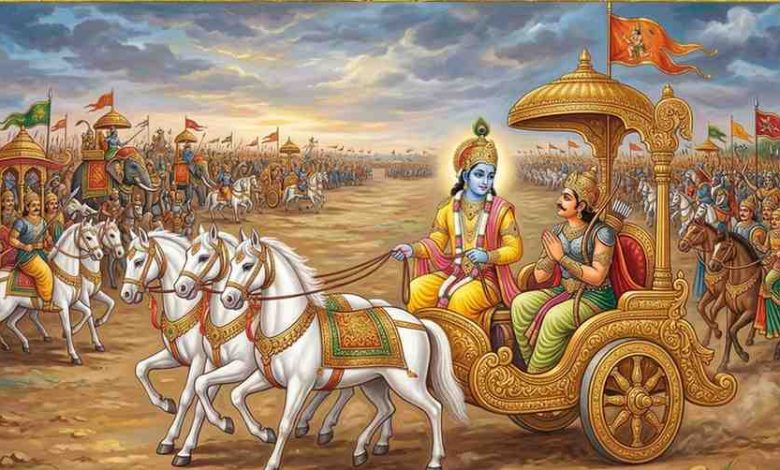
In this verse, Arjuna expresses his profound inner turmoil as he faces the prospect of fighting against his own kin in the battle of Kurukshetra. The physical manifestations of his fear and dread are vividly described: his limbs feel weak, his mouth is dry, his body shakes, and his hair stands on end. This illustrates the intense emotional conflict he experiences; despite being a warrior, the thought of killing his relatives overwhelms him. This moment captures the essence of dharma (righteous duty) and the moral dilemmas faced in life. It serves as a reminder that even the strongest individuals can falter when confronted with ethical complexities, emphasizing the human condition’s vulnerability. Arjuna’s hesitation signifies a pivotal moment that leads to Krishna’s teachings on duty, righteousness, and the nature of the self, forming the philosophical core of the Bhagavad Gita.
Hindi
इस श्लोक में अर्जुन अपने भीतरी संकट को व्यक्त करते हैं, क्योंकि वह कुरुक्षेत्र की लड़ाई में अपने ही अपनों से लड़ने का सामना कर रहे हैं। उनके डर और आतंक के शारीरिक लक्षणों का जीवंत वर्णन किया गया है: उनके अंग कमजोर हो जाते हैं, उनका मुख सूख जाता है, शरीर में कम्प होता है, और रोम खड़े हो जाते हैं। यह दर्शाता है कि युद्ध के विचार से वह कितना विचलित हो रहे हैं; एक योद्धा होने के बावजूद, अपने रिश्तेदारों को मारने का ख्याल उन्हें अभिभूत करता है। यह क्षण धर्म (सच्चा कर्तव्य) और जीवन में नैतिक दुविधाओं के बीच संघर्ष का सार दर्शाता है। यह हमें याद दिलाता है कि सबसे मजबूत व्यक्ति भी नैतिक जटिलताओं का सामना करते समय कमजोर पड़ सकते हैं। अर्जुन की यह हिचकिचाहट कृष्ण की शिक्षाओं की शुरुआत करती है, जिनमें कर्तव्य, धर्म, और आत्मा की प्रकृति पर चर्चा होती है।
Practical Wisdom
English
This verse teaches us about the importance of acknowledging our emotions, especially in challenging situations. Just like Arjuna, we may encounter moments of doubt and fear when faced with difficult decisions. It is crucial to pause and reflect on our feelings, rather than suppressing them. By doing so, we can gain clarity and make informed choices that align with our values and responsibilities. Practicing mindfulness and self-awareness can help us navigate through life’s dilemmas with greater composure and wisdom.
Hindi
यह श्लोक हमें सिखाता है कि चुनौतीपूर्ण परिस्थितियों में अपनी भावनाओं को स्वीकार करना कितना महत्वपूर्ण है। अर्जुन की तरह, हमें भी कठिन निर्णय लेने पर संदेह और भय के क्षणों का सामना करना पड़ सकता है। अपनी भावनाओं को दबाने के बजाय, हमें रुककर उन पर विचार करना चाहिए। ऐसा करके, हम स्पष्टता प्राप्त कर सकते हैं और अपने मूल्यों और जिम्मेदारियों के अनुसार सूचित निर्णय ले सकते हैं। माइंडफुलनेस और आत्म-जागरूकता का अभ्यास करके, हम जीवन की दुविधाओं को अधिक संयम और ज्ञान के साथ नेविगेट कर सकते हैं।
Life Application
English
This verse encourages us to confront our fears and uncertainties directly. In personal development, recognizing our emotional responses is essential for growth. When faced with difficult choices—whether in career, relationships, or moral dilemmas—we should allow ourselves to feel the discomfort, just as Arjuna did. This acknowledgment can lead to deeper introspection and a clearer understanding of our true desires and values. Embracing vulnerability can ultimately empower us to act with courage and integrity.
Hindi
यह श्लोक हमें अपने डर और अनिश्चितताओं का सामना करने के लिए प्रोत्साहित करता है। व्यक्तिगत विकास में, हमारी भावनात्मक प्रतिक्रियाओं को पहचानना विकास के लिए आवश्यक है। जब हम कठिन विकल्पों का सामना करते हैं—चाहे वह करियर, रिश्तों, या नैतिक दुविधाओं में हो—हमें उस असुविधा को महसूस करने की अनुमति देनी चाहिए, जैसे अर्जुन ने किया। यह स्वीकृति गहरी आत्म-परख और हमारे सच्चे इच्छाओं और मूल्यों की स्पष्ट समझ की ओर ले जा सकती है। कमजोरियों को अपनाना हमें साहस और सत्यनिष्ठा के साथ कार्य करने के लिए सशक्त बना सकता है।
Spiritual Insight
English
From a spiritual perspective, this verse highlights the conflict between duty and emotional attachment. Arjuna’s fear represents the human struggle with ego and the attachments that bind us. Krishna’s eventual teachings guide Arjuna toward understanding his higher self, which transcends personal relationships and fears. This illustrates the journey toward self-realization, where one learns to act according to dharma without being swayed by emotional turmoil. The verse invites us to reflect on our own attachments and encourages us to seek a higher purpose beyond our immediate emotional responses.
Hindi
आध्यात्मिक दृष्टिकोण से, यह श्लोक कर्तव्य और भावनात्मक जुड़ाव के बीच संघर्ष को उजागर करता है। अर्जुन का डर मानवता के अहंकार और उन जुड़ावों से लड़ाई का प्रतीक है जो हमें बांधते हैं। कृष्ण की अंततः दी गई शिक्षाएँ अर्जुन को उसकी उच्च आत्मा को समझने की दिशा में मार्गदर्शन करती हैं, जो व्यक्तिगत रिश्तों और भय से परे है। यह आत्म-साक्षात्कार की यात्रा को दर्शाता है, जहाँ एक व्यक्ति धर्म के अनुसार कार्य करना सीखता है, बिना भावनात्मक हलचल से प्रभावित हुए। यह श्लोक हमें अपने अपने जुड़ाव पर विचार करने के लिए आमंत्रित करता है और हमें तत्काल भावनात्मक प्रतिक्रियाओं से परे एक उच्च उद्देश्य की खोज करने के लिए प्रोत्साहित करता है।
Modern Context
English
In today’s fast-paced world, many individuals face overwhelming pressures that can lead to anxiety and stress, akin to Arjuna’s experience. This verse resonates with those grappling with tough decisions in personal and professional spheres. It emphasizes the importance of emotional awareness and self-reflection in a culture that often prioritizes action over contemplation. Recognizing our emotional states can foster resilience and better decision-making, allowing us to navigate life’s challenges more effectively and mindfully.
Hindi
आज की तेज़-तर्रार दुनिया में, कई लोग भारी दबावों का सामना करते हैं, जो चिंता और तनाव को जन्म दे सकता है, जैसा कि अर्जुन के अनुभव में है। यह श्लोक उन लोगों के साथ प्रतिध्वनित होता है जो व्यक्तिगत और व्यावसायिक क्षेत्रों में कठिन निर्णयों से जूझ रहे हैं। यह एक ऐसी संस्कृति में भावनात्मक जागरूकता और आत्म-परख के महत्व को उजागर करता है जो अक्सर विचार के बजाय क्रिया को प्राथमिकता देती है। हमारी भावनात्मक अवस्थाओं को पहचानने से लचीलापन और बेहतर निर्णय लेने में मदद मिल सकती है, जिससे हम जीवन की चुनौतियों को अधिक प्रभावी और ध्यानपूर्वक नेविगेट कर सकें।
Key Takeaways
English
- Acknowledge your emotions in difficult situations.
- Understand the importance of moral dilemmas.
- Reflect on personal attachments and responsibilities.
- Embrace vulnerability for personal growth.
- Seek higher purpose beyond immediate fears.
Hindi
- कठिन परिस्थितियों में अपनी भावनाओं को स्वीकार करें।
- नैतिक दुविधाओं के महत्व को समझें।
- व्यक्तिगत जुड़ावों और जिम्मेदारियों पर विचार करें।
- व्यक्तिगत विकास के लिए कमजोरियों को अपनाएँ।
- तत्काल भय से परे एक उच्च उद्देश्य की खोज करें।

