

Sanskrit Verse
प॒रे॒यि॒वांसं॑ प्र॒वतो॑ म॒हीरनु॑ ब॒हुभ्य॒: पन्था॑मनुपस्पशा॒नम् ।
वै॒व॒स्व॒तं सं॒गम॑नं॒ जना॑नां य॒मं राजा॑नं ह॒विषा॑ दुवस्य ॥१॥
य॒मो नो॑ गा॒तुं प्र॑थ॒मो वि॑वेद॒ नैषा गव्यू॑ति॒रप॑भर्त॒वा उ॑ ।
यत्रा॑ न॒: पूर्वे॑ पि॒तर॑: परे॒युरे॒ना ज॑ज्ञा॒नाः प॒थ्या॒३ अनु॒ स्वाः ॥२॥
मात॑ली क॒व्यैर्य॒मो अङ्गि॑रोभि॒र्बृह॒स्पति॒ॠक्व॑भिर्वावृधा॒नः ।
याँश्च॑ दे॒वा वा॑वृ॒धुर्ये च॑ दे॒वान्त्स्वाहा॒न्ये स्व॒धया॒न्ये म॑दन्ति ॥३॥
इ॒मं य॑म प्रस्त॒रमा हि सीदाऽङ्गि॑रोभिः पि॒तृभि॑: संविदा॒नः ।
आ त्वा॒ मन्त्रा॑: कविश॒स्ता व॑हन्त्वे॒ना रा॑जन्ह॒विषा॑ मादयस्व ॥४॥
अङ्गि॑रोभि॒रा ग॑हि य॒ज्ञिये॑भि॒र्यम॑ वैरू॒पैरि॒ह मा॑दयस्व ।
विव॑स्वन्तं हुवे॒ यः पि॒ता ते॒ऽस्मिन्य॒ज्ञे ब॒र्हिष्या नि॒षद्य॑ ॥५॥
अङ्गि॑रसो नः पि॒तरो॒ नव॑ग्वा॒ अथ॑र्वाणो॒ भृग॑वः सो॒म्यास॑: ।
तेषां॑ व॒यं सु॑म॒तौ य॒ज्ञिया॑ना॒मपि॑ भ॒द्रे सौ॑मन॒से स्या॑म ॥६॥
प्रेहि॒ प्रेहि॑ प॒थिभि॑: पू॒र्व्येभि॒र्यत्रा॑ न॒: पूर्वे॑ पि॒तर॑: परे॒युः ।
उ॒भा राजा॑ना स्व॒धया॒ मद॑न्ता य॒मं प॑श्यासि॒ वरु॑णं च दे॒वम् ॥७॥
सं ग॑च्छस्व पि॒तृभि॒: सं य॒मेने॑ष्टापू॒र्तेन॑ पर॒मे व्यो॑मन् ।
हि॒त्वाया॑व॒द्यं पुन॒रस्त॒मेहि॒ सं ग॑च्छस्व त॒न्वा॑ सु॒वर्चा॑: ॥८॥
अपे॑त॒ वी॑त॒ वि च॑ सर्प॒तातो॒ऽस्मा ए॒तं पि॒तरो॑ लो॒कम॑क्रन् ।
अहो॑भिर॒द्भिर॒क्तुभि॒र्व्य॑क्तं य॒मो द॑दात्यव॒सान॑मस्मै ॥९॥
अति॑ द्रव सारमे॒यौ श्वानौ॑ चतुर॒क्षौ श॒बलौ॑ सा॒धुना॑ प॒था ।
अथा॑ पि॒तॄन्त्सु॑वि॒दत्राँ॒ उपे॑हि य॒मेन॒ ये स॑ध॒मादं॒ मद॑न्ति ॥१०॥
यौ ते॒ श्वानौ॑ यम रक्षि॒तारौ॑ चतुर॒क्षौ प॑थि॒रक्षी॑ नृ॒चक्ष॑सौ ।
ताभ्या॑मेनं॒ परि॑ देहि राजन्त्स्व॒स्ति चा॑स्मा अनमी॒वं च॑ धेहि ॥११॥
उ॒रू॒ण॒साव॑सु॒तृपा॑ उदुम्ब॒लौ य॒मस्य॑ दू॒तौ च॑रतो॒ जनाँ॒ अनु॑ ।
ताव॒स्मभ्यं॑ दृ॒शये॒ सूर्या॑य॒ पुन॑र्दाता॒मसु॑म॒द्येह भ॒द्रम् ॥१२॥
य॒माय॒ सोमं॑ सुनुत य॒माय॑ जुहुता ह॒विः । य॒मं ह॑ य॒ज्ञो ग॑च्छत्य॒ग्निदू॑तो॒ अरं॑कृतः ॥१३॥
य॒माय॑ घृ॒तव॑द्ध॒विर्जु॒होत॒ प्र च॑ तिष्ठत । स नो॑ दे॒वेष्वा य॑मद्दी॒र्घमायु॒: प्र जी॒वसे॑ ॥१४॥
य॒माय॒ मधु॑मत्तमं॒ राज्ञे॑ ह॒व्यं जु॑होतन । इ॒दं नम॒ ऋषि॑भ्यः पूर्व॒जेभ्य॒: पूर्वे॑भ्यः पथि॒कृद्भ्य॑: ॥१५॥
त्रिक॑द्रुकेभिः पतति॒ षळु॒र्वीरेक॒मिद्बृ॒हत् । त्रि॒ष्टुब्गा॑य॒त्री छन्दां॑सि॒ सर्वा॒ ता य॒म आहि॑ता ॥१६॥
Mantra-by-Mantra Translations
Mantra 1
English
O Yama, the lord of the departed, may you lead us on the path of the wise, toward the abundance of the people.
Hindi / हिंदी
हे यम, departed के स्वामी, आप हमें बुद्धिमान लोगों के मार्ग पर ले चलें, लोगों की प्रचुरता की ओर।
Mantra 2
English
Yama knows the way of the first, let there be no obstruction in our path, where our forefathers have walked.
Hindi / हिंदी
यम पहले के मार्ग को जानता है, हमारे मार्ग में कोई रुकावट न हो, जहाँ हमारे पूर्वज चले थे।
Mantra 3
English
O Yama, may the seers, the Angirases, and Brihaspati promote us, and the gods who are invoked enhance our joy.
Hindi / हिंदी
हे यम, ऋषि, अंगिरस, और बृहस्पति हमें प्रोत्साहित करें, और जो देवता पुकारे जाते हैं वे हमारी खुशी बढ़ाएं।
Mantra 4
English
May the mantras invoked lead us to you, O Yama, and may the offerings of the king bring us happiness.
Hindi / हिंदी
हे यम, जिन मंत्रों का उच्चारण किया गया है वे हमें आपके पास ले जाएं, और राजा के अर्पित किए गए भेंट हमें खुशी लाएं।
Mantra 5
English
With the Angirases and the offerings, may we worship you, O Vivashvanta, the father of all beings.
Hindi / हिंदी
हे विवस्वन्त, सभी प्राणियों के पिता, हम अंगिरसों और अर्पणों के साथ आपकी पूजा करें।
Mantra 6
English
O ancestors, may we become wise and find favor in the eyes of the gods through our offerings.
Hindi / हिंदी
हे पूर्वजों, हम समझदार बनें और अपने अर्पणों के माध्यम से देवताओं की दृष्टि में अनुकूलता प्राप्त करें।
Mantra 7
English
May we walk with the ancestors and Yama, fulfilling our goals with the highest offerings.
Hindi / हिंदी
हम पूर्वजों और यम के साथ चलें, उच्चतम अर्पणों के साथ अपने लक्ष्यों को पूरा करें।
Mantra 8
English
May we escape from the darkness of ignorance and reach the luminous realms through Yama.
Hindi / हिंदी
हम अज्ञानता के अंधकार से बचें और यम के माध्यम से प्रकाशमान क्षेत्रों तक पहुंचें।
Mantra 9
English
O Yama, you provide a safe passage for the souls, may your blessings bring us peace.
Hindi / हिंदी
हे यम, आप आत्माओं के लिए सुरक्षित मार्ग प्रदान करते हैं, आपकी कृपा हमें शांति दे।
Mantra 10
English
O Yama, the two hounds of yours that guard the path, protect us from all harm.
Hindi / हिंदी
हे यम, आपके दो कुत्ते जो मार्ग की रक्षा करते हैं, हमें सभी हानियों से बचाएं।
Mantra 11
English
To your guardians, grant us safety and well-being in this life.
Hindi / हिंदी
आपके रक्षकों, हमें इस जीवन में सुरक्षा और कल्याण दें।
Mantra 12
English
O Yama, may we be blessed with prosperity and good fortune in our endeavors.
Hindi / हिंदी
हे यम, हमारे प्रयासों में समृद्धि और अच्छे भाग्य से हमें आशीर्वाद दें।
Mantra 13
English
O Yama, let the offerings of ghee be pleasing to you; may they grant us long life.
Hindi / हिंदी
हे यम, घी की अर्पणें आपको प्रिय हों; वे हमें दीर्घायु प्रदान करें।
Mantra 14
English
May the best offerings be given to you, O Yama, and may this be a blessing for the sages.
Hindi / हिंदी
हे यम, आपको सबसे अच्छे अर्पण दिए जाएं, और यह ऋषियों के लिए आशीर्वाद हो।
Mantra 15
English
Through the three realms, may we reach the heights of wisdom and fulfillment.
Hindi / हिंदी
तीन लोकों के माध्यम से, हम ज्ञान और संतोष की ऊंचाइयों तक पहुंचें।
Mantra 16
English
Through these hymns, O Yama, may we find our path and fulfillment.
Hindi / हिंदी
इन स्तोत्रों के माध्यम से, हे यम, हम अपना मार्ग और पूर्ति पाएं।
Detailed Meaning
English
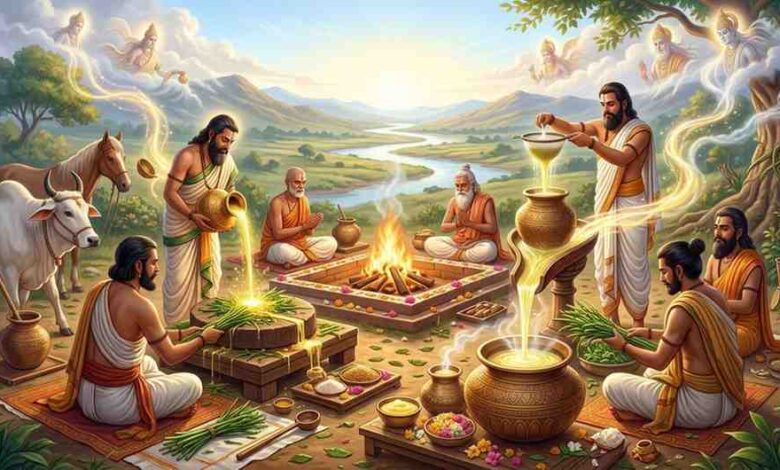
This sukta of Rigveda addresses Yama, the lord of death and the guardian of the afterlife. It emphasizes the importance of maintaining a connection with ancestors and guiding the souls to their rightful place. The verses express a deep reverence for the rituals associated with honoring departed souls, invoking blessings for wisdom, safety, and prosperity. The presence of Angirases and other deities signifies the collective effort in ensuring a favorable journey into the afterlife. The call for offerings reflects the belief that spiritual practices create a bridge between the material and spiritual worlds, facilitating a safe passage for the departed and blessings for the living.
Hindi
यह ऋग्वेद का सूक्त यम, मृत्यु के स्वामी और परलोक के रक्षक को संबोधित करता है। यह पूर्वजों के साथ संबंध बनाए रखने और आत्माओं को उनके उचित स्थान पर मार्गदर्शन देने के महत्व पर जोर देता है। श्लोक उन अनुष्ठानों के लिए एक गहरी श्रद्धा व्यक्त करते हैं जो मृत आत्माओं का सम्मान करने से संबंधित हैं, ज्ञान, सुरक्षा और समृद्धि के लिए आशीर्वाद की मांग करते हैं। अंगिरस और अन्य देवताओं की उपस्थिति एक अनुकूल यात्रा सुनिश्चित करने में सामूहिक प्रयास को दर्शाती है। अर्पणों की मांग इस विश्वास को दर्शाती है कि आध्यात्मिक प्रथाएँ भौतिक और आध्यात्मिक दुनिया के बीच एक पुल बनाती हैं, जो मृतकों के लिए सुरक्षित मार्ग और जीवित लोगों के लिए आशीर्वाद की सुविधा प्रदान करती हैं।
Practical Wisdom
English
Incorporating rituals to honor ancestors can enrich personal and family life. Regular remembrance of loved ones who have passed can create a positive mindset and foster connections with family traditions. Engaging in community rituals also strengthens social bonds and provides emotional support, reminding us of our collective heritage.
Hindi
पूर्वजों का सम्मान करने के लिए अनुष्ठानों को शामिल करना व्यक्तिगत और पारिवारिक जीवन को समृद्ध कर सकता है। जिन प्रियजनों का निधन हो गया है, उनकी नियमित स्मृति सकारात्मक मानसिकता बनाने में मदद कर सकती है और पारिवारिक परंपराओं के साथ संबंधों को बढ़ावा दे सकती है। सामुदायिक अनुष्ठानों में भागीदारी भी सामाजिक बंधनों को मजबूत करती है और भावनात्मक समर्थन प्रदान करती है, जो हमें हमारी सामूहिक विरासत की याद दिलाती है।
Life Application
English
Reflect on your lineage and consider ways to honor your ancestors through traditions, celebrations, or personal practices. Create a family tree or a memory book to preserve stories and values. This can also serve as a guide for the next generation, fostering respect for family history and heritage.
Hindi
अपने वंश पर विचार करें और परंपराओं, उत्सवों या व्यक्तिगत प्रथाओं के माध्यम से अपने पूर्वजों का सम्मान करने के तरीके पर विचार करें। एक पारिवारिक वृक्ष या स्मृति पुस्तक बनाएं ताकि कहानियों और मूल्यों को संरक्षित किया जा सके। यह अगले पीढ़ी के लिए भी एक मार्गदर्शक के रूप में कार्य कर सकता है, पारिवारिक इतिहास और विरासत के प्रति सम्मान को बढ़ावा देता है।
Spiritual Insight
English
Yama symbolizes the transition between life and death, urging us to live mindfully and honor the cycles of existence. Reflecting on mortality can deepen our appreciation for life and encourage us to engage in meaningful actions. The rituals associated with Yama can lead to spiritual growth and a greater understanding of the interconnectedness of life.
Hindi
यम जीवन और मृत्यु के बीच के संक्रमण का प्रतीक है, जो हमें सतर्कता से जीने और अस्तित्व के चक्रों का सम्मान करने के लिए प्रेरित करता है। मृत्यु पर विचार करने से जीवन के प्रति हमारे आभार को गहरा किया जा सकता है और हमें सार्थक क्रियाओं में संलग्न होने के लिए प्रेरित कर सकता है। यम से संबंधित अनुष्ठान आध्यात्मिक विकास और जीवन के आपसी संबंधों की गहरी समझ की ओर ले जा सकते हैं।
Modern Context
English
In today’s fast-paced world, this sukta reminds us to pause and reflect on our roots and the legacies we inherit. It encourages us to appreciate our heritage while also promoting mindfulness in our daily lives. Understanding the significance of our actions can lead to a more fulfilling and purposeful life.
Hindi
आज की तेज़-तर्रार दुनिया में, यह सूक्त हमें रुकने और अपनी जड़ों और विरासतों पर विचार करने की याद दिलाता है। यह हमें हमारी विरासत की सराहना करने के लिए प्रोत्साहित करता है जबकि हमारे दैनिक जीवन में सतर्कता को बढ़ावा भी देता है। हमारे कार्यों के महत्व को समझना एक अधिक संतोषजनक और उद्देश्यपूर्ण जीवन की ओर ले जा सकता है।
Key Takeaways
English
- Yama represents the connection between life and death.
- Honoring ancestors is crucial for spiritual growth.
- Rituals create bonds among families and communities.
- Mindfulness enhances appreciation for life.
- Understanding mortality enriches our actions.
Hindi
- यम जीवन और मृत्यु के बीच के संबंध का प्रतीक है।
- पूर्वजों का सम्मान करना आध्यात्मिक विकास के लिए महत्वपूर्ण है।
- अनुष्ठान परिवारों और समुदायों के बीच बंधन बनाते हैं।
- सतर्कता जीवन के प्रति सराहना बढ़ाती है।
- मृत्यु को समझना हमारे कार्यों को समृद्ध करता है।

