

Sanskrit Verse
कामक्रोधोद्भवं वेगं स युक्तः स सुखी नरः।।5.23।।
English Translation
5.23 He who is able, while still here (in this world) to withstand, before the liberation from the body, the impulse born out of desire and anger he is a Yogi, he is a happy man.
Hindi Translation
।।5.23।। जो मनुष्य इसी लोक में शरीर त्यागने के पूर्व ही काम और क्रोध से उत्पन्न हुए वेग को सहन करने में समर्थ है, वह योगी (युक्त) और सुखी मनुष्य है।।
Detailed Meaning
English
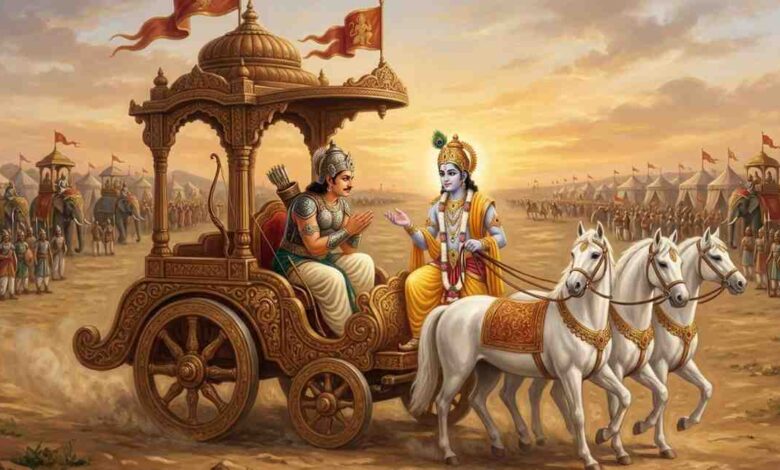
In Bhagavad Gita Chapter 5, Verse 23, Lord Krishna elucidates the qualities of a true Yogi. The verse emphasizes the ability to control one’s impulses, particularly those stemming from desire (kama) and anger (krodha). This control is essential for spiritual advancement and signifies a deeper understanding of the self. While living in this material world, individuals are often swayed by their emotions and desires, leading to suffering and discontent. The Yogi, however, recognizes these impulses and does not allow them to dictate his actions. By practicing self-discipline and cultivating a sense of detachment, he can navigate life’s challenges with ease. Such a person embodies happiness, as true joy stems from inner peace rather than external circumstances. The verse encourages practitioners to develop mindfulness and awareness, enabling them to remain grounded even amidst turmoil.
Hindi
भगवद गीता के अध्याय 5, श्लोक 23 में भगवान कृष्ण एक सच्चे योगी की विशेषताओं को स्पष्ट करते हैं। यह श्लोक इच्छा (काम) और क्रोध (क्रोध) से उत्पन्न होने वाले आवेगों को नियंत्रित करने की क्षमता पर जोर देता है। यह नियंत्रण आध्यात्मिक प्रगति के लिए आवश्यक है और आत्मा की गहरी समझ का प्रतीक है। इस भौतिक दुनिया में रहते हुए, व्यक्ति अक्सर अपनी भावनाओं और इच्छाओं से प्रभावित होते हैं, जिससे दुख और असंतोष होता है। लेकिन योगी इन आवेगों को पहचानता है और उन्हें अपने कार्यों को निर्धारित करने की अनुमति नहीं देता। आत्म-अनुशासन का अभ्यास करके और एक प्रकार की निष्क्रियता विकसित करके, वह जीवन की चुनौतियों का सामना आसानी से कर सकता है। ऐसा व्यक्ति खुशियों का प्रतीक होता है, क्योंकि सच्ची खुशी आंतरिक शांति से आती है, न कि बाहरी परिस्थितियों से। यह श्लोक साधकों को जागरूकता और मनन विकसित करने के लिए प्रेरित करता है, जिससे वे उथल-पुथल के बीच भी स्थिर रह सकें।
Practical Wisdom
English
To embody the teachings of this verse, individuals can practice mindfulness techniques such as meditation and deep breathing. By becoming aware of their emotional triggers, they can learn to pause before reacting to anger or desire. Journaling can also be an effective tool, allowing individuals to reflect on their feelings and responses. Creating a supportive environment that encourages self-discipline can further aid in mastering these impulses. This practice not only enhances emotional resilience but also leads to a more fulfilling and harmonious life.
Hindi
इस श्लोक की शिक्षाओं को आत्मसात करने के लिए व्यक्ति ध्यान और गहरी सांस लेने जैसी जागरूकता की तकनीकों का अभ्यास कर सकते हैं। अपने भावनात्मक ट्रिगर्स के प्रति जागरूक होकर, वे क्रोध या इच्छा के प्रति प्रतिक्रिया देने से पहले रुकना सीख सकते हैं। जर्नलिंग भी एक प्रभावी उपकरण हो सकता है, जिससे व्यक्ति अपने भावनाओं और प्रतिक्रियाओं पर विचार कर सकते हैं। एक सहायक वातावरण बनाना जो आत्म-अनुशासन को प्रोत्साहित करता है, इन आवेगों को मास्टर करने में मदद कर सकता है। यह अभ्यास न केवल भावनात्मक लचीलापन बढ़ाता है, बल्कि अधिक संतोषजनक और सामंजस्यपूर्ण जीवन की ओर भी ले जाता है।
Life Application
English
To apply the essence of this verse in daily life, one can start by identifying their triggers for anger and desire. Implementing small practices, such as taking a moment to breathe before responding, can help in cultivating patience. Engaging in regular self-reflection allows for better understanding and management of these impulses. Setting personal goals focused on emotional control can foster a sense of accomplishment and growth. Over time, this commitment to self-regulation will lead to greater happiness and fulfillment.
Hindi
इस श्लोक के सार को दैनिक जीवन में लागू करने के लिए, व्यक्ति को पहले अपने क्रोध और इच्छा के लिए ट्रिगर्स की पहचान करनी चाहिए। प्रतिक्रिया देने से पहले एक पल सांस लेने जैसी छोटी-छोटी प्रथाओं को लागू करने से धैर्य विकसित करने में मदद मिल सकती है। नियमित आत्म-परावर्तन में संलग्न होना इन आवेगों की बेहतर समझ और प्रबंधन की अनुमति देता है। भावनात्मक नियंत्रण पर केंद्रित व्यक्तिगत लक्ष्यों को स्थापित करने से उपलब्धि और विकास की भावना को बढ़ावा मिल सकता है। समय के साथ, आत्म-नियमन के लिए यह प्रतिबद्धता अधिक खुशी और संतोष की ओर ले जाएगी।
Spiritual Insight
English
This verse encapsulates the essence of yogic philosophy, which emphasizes self-control and inner peace. The ability to withstand the impulses of desire and anger signifies spiritual maturity. It reflects the journey towards self-realization, where one understands that true happiness is not found in external possessions but within. By mastering our inner turmoil, we align ourselves with a higher purpose, fostering compassion and empathy. The Yogi transforms challenges into opportunities for growth, embodying the principle that spiritual strength lies in tranquility amidst chaos.
Hindi
यह श्लोक योगिक दर्शन के सार को संक्षेपित करता है, जो आत्म-नियंत्रण और आंतरिक शांति पर जोर देता है। इच्छा और क्रोध के आवेगों को सहन करने की क्षमता आध्यात्मिक परिपक्वता को दर्शाती है। यह आत्म-ज्ञान की यात्रा को दर्शाता है, जहाँ एक समझता है कि सच्ची खुशी बाहरी संपत्तियों में नहीं, बल्कि भीतर होती है। अपनी आंतरिक उथल-पुथल को नियंत्रित करके, हम एक उच्च उद्देश्य के साथ अपने आप को संरेखित करते हैं, करुणा और सहानुभूति को बढ़ावा देते हैं। योगी चुनौतियों को विकास के अवसरों में परिवर्तित करता है, यह सिद्धांत प्रस्तुत करता है कि आध्यात्मिक ताकत अराजकता के बीच शांति में निहित होती है।
Modern Context
English
In contemporary society, where stress and anxiety are prevalent, the teachings of this verse are incredibly relevant. The ability to manage one’s emotions is crucial for maintaining mental health and fostering positive relationships. As individuals navigate the complexities of modern life, practicing mindfulness and emotional regulation can lead to enhanced well-being. This verse encourages a proactive approach to overcoming life’s challenges, promoting resilience and a balanced lifestyle amidst external pressures.
Hindi
आधुनिक समाज में, जहाँ तनाव और चिंता प्रचलित हैं, इस श्लोक की शिक्षाएँ अत्यधिक प्रासंगिक हैं। अपनी भावनाओं को प्रबंधित करने की क्षमता मानसिक स्वास्थ्य बनाए रखने और सकारात्मक संबंधों को बढ़ावा देने के लिए महत्वपूर्ण है। जैसे-जैसे व्यक्ति आधुनिक जीवन की जटिलताओं का सामना करते हैं, जागरूकता और भावनात्मक नियंत्रण का अभ्यास बेहतर कल्याण की ओर ले जा सकता है। यह श्लोक जीवन की चुनौतियों को पार करने के लिए एक सक्रिय दृष्टिकोण को प्रोत्साहित करता है, बाहरी दबावों के बीच लचीलापन और संतुलित जीवन शैली को बढ़ावा देता है।
Key Takeaways
English
- Self-control is the hallmark of a Yogi.
- True happiness comes from inner peace, not external circumstances.
- Mindfulness practices help in managing desires and anger.
- Emotional regulation fosters healthy relationships.
- Challenges can be transformed into opportunities for growth.
Hindi
- आत्म-नियंत्रण एक योगी की पहचान है।
- सच्ची खुशी आंतरिक शांति से आती है, बाहरी परिस्थितियों से नहीं।
- जागरूकता की प्रथाएँ इच्छाओं और क्रोध को प्रबंधित करने में मदद करती हैं।
- भावनात्मक नियंत्रण स्वस्थ संबंधों को बढ़ावा देता है।
- चुनौतियों को विकास के अवसरों में परिवर्तित किया जा सकता है।

