

Sanskrit Verse
मा नो॑ मि॒त्रो वरु॑णो अर्य॒मायुरिन्द्र॑ ऋभु॒क्षा म॒रुत॒: परि॑ ख्यन् ।
यद् वा॒जिनो॑ दे॒वजा॑तस्य॒ सप्ते॑: प्रव॒क्ष्यामो॑ वि॒दथे॑ वी॒र्या॑णि ॥१॥
यन्नि॒र्णिजा॒ रेक्ण॑सा॒ प्रावृ॑तस्य रा॒तिं गृ॑भी॒तां मु॑ख॒तो नय॑न्ति ।
सुप्रा॑ङ॒जो मेम्य॑द् विश्वरू॑प इन्द्रापू॒ष्णोः प्रि॒यमप्ये॑ति॒ पाथ॑: ॥२॥
ए॒ष च्छाग॑: पु॒रो अश्वे॑न वा॒जिना॑ पू॒ष्णो भा॒गो नी॑यते वि॒श्वदे॑व्यः ।
अ॒भि॒प्रियं॒ यत्पु॑रो॒ळाश॒मर्व॑ता॒ त्वष्टेदे॑नं सौश्रव॒साय॑ जिन्वति ॥३॥
यद्ध॑वि॒ष्य॑मृतु॒शो दे॑व॒यानं॒ त्रिर्मानु॑षा॒: पर्यश्वं॒ नय॑न्ति ।
अत्रा॑ पू॒ष्णः प्र॑थ॒मो भा॒ग ए॑ति य॒ज्ञं दे॒वेभ्य॑: प्रतिवे॒दय॑न्न॒जः ॥४॥
होता॑ध्व॒र्युराव॑या अग्निमि॒न्धो ग्रा॑वग्रा॒भ उ॒त शंस्ता॒ सुवि॑प्रः ।
तेन॑ य॒ज्ञेन॒ स्व॑रंकृतेन॒ स्वि॑ष्टेन व॒क्षणा॒ आ पृ॑णध्वम् ॥५॥
यू॒प॒व्र॒स्का उ॒त ये यू॑पवा॒हाश्च॒षालं॒ ये अ॑श्वयू॒पाय॒ तक्ष॑ति ।
ये चार्व॑ते॒ पच॑नं स॒म्भर॑न्त्यु॒तो तेषा॑म॒भिगू॑र्तिर्न इन्वतु ॥६॥
उप॒ प्रागा॑त् सु॒मन्मे॑ऽधायि॒ मन्म॑ दे॒वाना॒माशा॒ उप॑ वी॒तपृ॑ष्ठः ।
अन्वे॑नं॒ विप्रा॒ ऋष॑यो मदन्ति दे॒वानां॑ पु॒ष्टे च॑कृमा सु॒बन्धु॑म् ॥७॥
यद् वा॒जिनो॒ दाम॑ सं॒दान॒मर्व॑तो॒ या शी॑र्ष॒ण्या॑ रश॒ना रज्जु॑रस्य ।
यद् वा॑ घास्य॒ प्रभृ॑तमा॒स्ये॒ ३ तृणं॒ सर्वा॒ ता ते॒ अपि॑ दे॒वेष्व॑स्तु ॥८॥
यदश्व॑स्य क्र॒विषो॒ मक्षि॒काश॒ यद् वा स्वरौ॒ स्वधि॑तौ रि॒प्तमस्ति॑ ।
यद्धस्त॑योः शमि॒तुर्यन्न॒खेषु॒ सर्वा॒ ता ते॒ अपि॑ दे॒वेष्व॑स्तु ॥९॥
यदूव॑ध्यमु॒दर॑स्याप॒वाति॒ य आ॒मस्य॑ क्र॒विषो॑ ग॒न्धो अस्ति॑ ।
सु॒कृ॒ता तच्छ॑मि॒तार॑: कृण्वन्तू॒त मेधं॑ शृत॒पाकं॑ पचन्तु ॥१०॥
यत् ते॒ गात्रा॑द॒ग्निना॑ प॒च्यमा॑नाद॒भि शूलं॒ निह॑तस्याव॒धाव॑ति ।
मा तद् भूम्या॒मा श्रि॑ष॒न्मा तृणे॑षु दे॒वेभ्य॒स्तदु॒शद्भ्यो॑ रा॒तम॑स्तु ॥११॥
ये वा॒जिनं॑ परि॒पश्य॑न्ति प॒क्वं य ई॑मा॒हुः सु॑र॒भिर्निर्ह॒रेति॑ ।
ये चार्व॑तो मांसभि॒क्षामु॒पास॑त उ॒तो तेषा॑म॒भिगू॑र्तिर्न इन्वतु ॥१२॥
यन्नीक्ष॑णं मां॒स्पच॑न्या उ॒खाया॒ या पात्रा॑णि यू॒ष्ण आ॒सेच॑नानि ।
ऊ॒ष्म॒ण्या॑पि॒धाना॑ चरू॒णाम॒ङ्काः सू॒नाः परि॑ भूष॒न्त्यश्व॑म् ॥१३॥
नि॒क्रम॑णं नि॒षद॑नं वि॒वर्त॑नं॒ यच्च॒ पड्बी॑श॒मर्व॑तः ।
यच्च॑ प॒पौ यच्च॑ घा॒सिं ज॒घास॒ सर्वा॒ ता ते॒ अपि॑ दे॒वेष्व॑स्तु ॥१४॥
मा त्वा॒ग्निर्ध्व॑नयीद्धू॒मग॑न्धि॒र्मोखा भ्राज॑न्त्य॒भि वि॑क्त॒ जघ्रि॑: ।
इ॒ष्टं वी॒तम॒भिगू॑र्तं॒ वष॑ट्कृतं॒ तं दे॒वास॒: प्रति॑ गृभ्ण॒न्त्यश्व॑म् ॥१५॥
यदश्वा॑य॒ वास॑ उपस्तृ॒णन्त्य॑धीवा॒सं या हिर॑ण्यान्यस्मै ।
सं॒दान॒मर्व॑न्तं॒ पड्बी॑शं प्रि॒या दे॒वेष्वा या॑मयन्ति ॥१६॥
यत् ते॑ सा॒दे मह॑सा॒ शूकृ॑तस्य॒ पार्ष्ण्या॑ वा॒ कश॑या वा तु॒तोद॑ ।
स्रु॒चेव॒ ता ह॒विषो॑ अध्व॒रेषु॒ सर्वा॒ ता ते॒ ब्रह्म॑णा सूदयामि ॥१७॥
चतु॑स्त्रिंशद् वा॒जिनो॑ दे॒वब॑न्धो॒र्वङ्क्री॒रश्व॑स्य॒ स्वधि॑ति॒: समे॑ति ।
अच्छि॑द्रा॒ गात्रा॑ व॒युना॑ कृणोत॒ परु॑ष्परुरनु॒घुष्या॒ वि श॑स्त ॥१८॥
एक॒स्त्वष्टु॒रश्व॑स्या विश॒स्ता द्वा य॒न्तारा॑ भवत॒स्तथ॑ ऋ॒तुः ।
या ते॒ गात्रा॑णामृतु॒था कृ॒णोमि॒ ताता॒ पिण्डा॑नां॒ प्र जु॑होम्य॒ग्नौ ॥१९॥
मा त्वा॑ तपत् प्रि॒य आ॒त्मापि॒यन्तं॒ मा स्वधि॑तिस्त॒न्व १ आ ति॑ष्ठिपत्ते ।
मा ते॑ गृ॒ध्नुर॑विश॒स्ताति॒हाय॑ छि॒द्रा गात्रा॑ण्य॒सिना॒ मिथू॑ कः ॥२०॥
न वा उ॑ ए॒तन्म्रि॑यसे॒ न रि॑ष्यसि दे॒वाँ इदे॑षि प॒थिभि॑: सु॒गेभि॑: ।
हरी॑ ते॒ युञ्जा॒ पृष॑ती अभूता॒मुपा॑स्थाद् वा॒जी धु॒रि रास॑भस्य ॥२१॥
सु॒गव्यं॑ नो वा॒जी स्वश्व्यं॑ पुं॒सः पु॒त्राँ उ॒त वि॑श्वा॒पुषं॑ र॒यिम् ।
अ॒ना॒गा॒स्त्वं नो॒ अदि॑तिः कृणोतु क्ष॒त्रं नो॒ अश्वो॑ वनतां ह॒विष्मा॑न् ॥२२॥
Mantra-by-Mantra Translations
Mantra 1
English
May Mitra, Varuna, Aryama, Indra, and the Maruts, being benevolent, protect us.
Hindi / हिंदी
हे मित्र, वरुण, आर्यमा, इंद्र और मरुत, कृपापूर्ण होकर हमारी रक्षा करें।
Mantra 2
English
Those who possess the strength of the divine, I will proclaim the seven heroic deeds in the assembly.
Hindi / हिंदी
जो दिव्य शक्ति के स्वामी हैं, मैं सभा में सात वीरता की बात करूंगा।
Mantra 3
English
This goat, led by the horse, brings the share of the divine beings.
Hindi / हिंदी
यह बकरी, जो घोड़े द्वारा चलाई जाती है, देवताओं का भाग लाती है।
Mantra 4
English
The first share of the offering is offered to the divine beings in the sacrifice.
Hindi / हिंदी
यज्ञ में देवताओं को पहला भाग अर्पित किया जाता है।
Mantra 5
English
O priest, perform the fire sacrifice; may the divine beings be satisfied with it.
Hindi / हिंदी
हे पुरोहित, अग्नि यज्ञ करो; ताकि देवता इससे संतुष्ट हों।
Mantra 6
English
Those who hold the yoke and those who are in charge of the horses, may their understanding not be obscured.
Hindi / हिंदी
जो लोग जोड़े को पकड़ते हैं और जो घोड़ों के प्रभारी हैं, उनकी बुद्धि अवरुद्ध न हो।
Mantra 7
English
May the divine beings grant strength to those who are wise and engaged in sacred practices.
Hindi / हिंदी
हे देवता, बुद्धिमानों और धार्मिक अनुष्ठानों में लगे लोगों को शक्ति प्रदान करें।
Mantra 8
English
Those who bring forth the strength of the horses, may they bring forth the best of all offerings.
Hindi / हिंदी
जो घोड़ों की शक्ति लाते हैं, वे सभी अर्पणों का सबसे अच्छा लाएं।
Mantra 9
English
Those who possess the strength of the horses, may they not suffer from the evil eye.
Hindi / हिंदी
जो घोड़ों की शक्ति रखते हैं, उन पर बुरी नजर न पड़े।
Mantra 10
English
May the offerings made to the fire be pure; let the essence of the food be pleasing.
Hindi / हिंदी
अग्नि में किए गए अर्पण शुद्ध हों; भोजन का सार सुखद हो।
Mantra 11
English
Let not the earth be offended by our offerings; may we not be deprived of our resources.
Hindi / हिंदी
हमारे अर्पणों से पृथ्वी अप offended न हो; हमें हमारे संसाधनों से वंचित न किया जाए।
Mantra 12
English
Those who observe the offerings, may they be free from distress and misfortune.
Hindi / हिंदी
जो लोग अर्पणों का अवलोकन करते हैं, वे दुख और दुर्भाग्य से मुक्त हों।
Mantra 13
English
May the essence of the food nourish and sustain our strength.
Hindi / हिंदी
भोजन का सार हमारी शक्ति को पोषित और बनाए रखे।
Mantra 14
English
Let the offerings made to the fire not be diminished; may they bring us prosperity.
Hindi / हिंदी
अग्नि में किए गए अर्पणों में कमी न आए; ये हमें समृद्धि लाएं।
Mantra 15
English
The offerings made to the horses should be pleasing to the divine beings.
Hindi / हिंदी
घोड़ों को किए गए अर्पण देवताओं को प्रिय होने चाहिए।
Mantra 16
English
May the offerings to the horses be well received by the divine beings.
Hindi / हिंदी
घोड़ों के अर्पण देवताओं द्वारा अच्छे से स्वीकार किए जाएं।
Mantra 17
English
All the offerings made during the sacrifices should be directed towards the divine.
Hindi / हिंदी
यज्ञ में किए गए सभी अर्पणों को देवताओं की ओर निर्देशित किया जाना चाहिए।
Mantra 18
English
May the offerings bind us to the divine and bring us closer to the truth.
Hindi / हिंदी
अर्पण हमें दिव्य से बांधें और सत्य के करीब लाएं।
Mantra 19
English
Let the essence of the offerings be like a bond that connects us to the divine.
Hindi / हिंदी
अर्पणों का सार एक बंधन के समान हो जो हमें दिव्य से जोड़ता है।
Mantra 20
English
May the divine beings not forsake us; let our actions be blessed.
Hindi / हिंदी
हे देवता, हमें न छोड़ें; हमारे कार्यों को आशीर्वाद दें।
Mantra 21
English
O horse, may you bring forth the essence of all offerings that appease the divine.
Hindi / हिंदी
हे घोड़े, तुम सभी अर्पणों का सार लाओ जो देवताओं को प्रसन्न करते हैं।
Mantra 22
English
May the divine beings bless us with prosperity and strength.
Hindi / हिंदी
हे देवता, हमें समृद्धि और शक्ति से धन्य करें।
English Translation
Hindi Translation
Detailed Meaning
English
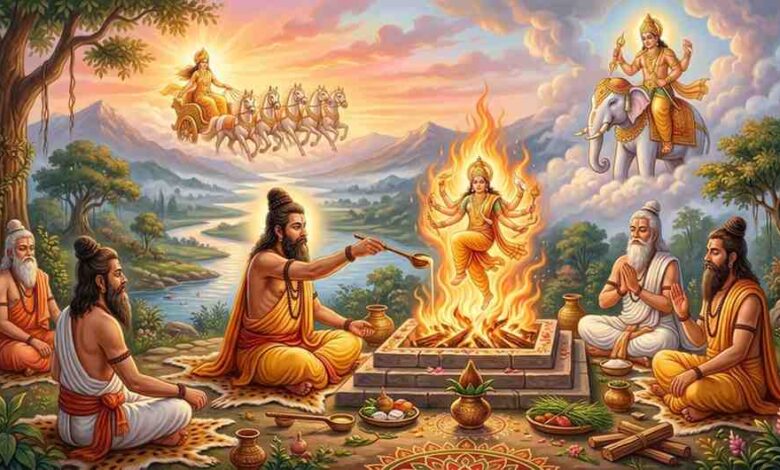
Sukta 162 of Mandala 1 of the Rigveda emphasizes the importance of rituals and offerings to the divine beings. It highlights the roles of various deities like Indra, Varuna, and Mitra, who are invoked for protection and prosperity. The mantras guide the practitioners to perform sacrifices with purity and intention, ensuring that the essence of the offerings reaches the divine. Each mantra calls upon the divine beings for blessings, strength, and protection, showcasing the interconnectedness of human actions and divine grace. The sukta serves as a reminder of the significance of maintaining harmony with nature and the cosmos through well-performed rituals, fostering a sense of community and shared purpose among the practitioners.
Hindi
ऋग्वेद के मंडल 1 के सूक्त 162 में अनुष्ठानों और देवताओं को अर्पणों के महत्व पर जोर दिया गया है। इसमें इंद्र, वरुण और मित्र जैसे विभिन्न देवताओं की भूमिकाओं को उजागर किया गया है, जिन्हें सुरक्षा और समृद्धि के लिए आमंत्रित किया जाता है। मंत्र साधकों को शुद्धता और इरादे के साथ बलिदान करने के लिए मार्गदर्शन करते हैं, यह सुनिश्चित करते हुए कि अर्पणों का सार देवताओं तक पहुंचे। प्रत्येक मंत्र देवताओं से आशीर्वाद, शक्ति और सुरक्षा की मांग करता है, मानव क्रियाओं और दिव्य कृपा के बीच संबंध को दर्शाता है। यह सूक्त अच्छे से किए गए अनुष्ठानों के माध्यम से प्रकृति और ब्रह्मांड के साथ सामंजस्य बनाए रखने के महत्व की याद दिलाता है, जो साधकों के बीच समुदाय और साझा उद्देश्य की भावना को बढ़ावा देता है।
Practical Wisdom
English
The teachings of Sukta 162 can be applied in modern life by incorporating rituals and mindfulness into daily practices. Setting intentions before meals, offering gratitude, and recognizing the interconnectedness of all beings can enhance personal well-being and foster a sense of community. Engaging in rituals that honor the environment and promote harmony can lead to a more fulfilling life, providing a deeper connection to the world around us.
Hindi
सूक्त 162 की शिक्षाओं को आधुनिक जीवन में अनुष्ठानों और जागरूकता को दैनिक प्रथाओं में शामिल करके लागू किया जा सकता है। भोजन से पहले इरादे स्थापित करना, आभार व्यक्त करना और सभी प्राणियों के बीच अंतर्संबंध को पहचानना व्यक्तिगत कल्याण को बढ़ा सकता है और सामुदायिक भावना को बढ़ावा दे सकता है। ऐसे अनुष्ठानों में संलग्न होना जो पर्यावरण का सम्मान करते हैं और सामंजस्य को बढ़ावा देते हैं, एक अधिक संतोषजनक जीवन की ओर ले जा सकता है, जिससे हमारे चारों ओर की दुनिया से गहरा संबंध बनता है।
Life Application
English
This sukta encourages self-reflection and the practice of gratitude. By recognizing the blessings in our lives and expressing appreciation for them, we cultivate a positive mindset. Engaging in community service and acts of kindness can enhance our sense of connection with others, fostering a deeper understanding of our collective responsibilities. Incorporating these practices into our daily routines can lead to personal growth and a more fulfilling life.
Hindi
यह सूक्त आत्म-प्रतिबिंब और आभार के अभ्यास को प्रोत्साहित करता है। हमारे जीवन में आशीर्वादों को पहचानते हुए और उनके प्रति प्रशंसा व्यक्त करते हुए, हम सकारात्मक मानसिकता विकसित करते हैं। सामुदायिक सेवा और दयालुता के कार्यों में शामिल होना दूसरों के साथ हमारे संबंध की भावना को बढ़ा सकता है, हमारी सामूहिक जिम्मेदारियों की गहरी समझ को बढ़ावा देता है। इन प्रथाओं को अपने दैनिक जीवन में शामिल करने से व्यक्तिगत विकास और एक अधिक संतोषजनक जीवन की ओर ले जा सकता है।
Spiritual Insight
English
Sukta 162 reveals the significance of spiritual rituals in cultivating a harmonious relationship with the divine and the cosmos. It teaches us that our intentions and actions hold power, which influences our connection to the spiritual realm. The repeated invocations to the deities serve as reminders to maintain purity in our thoughts and actions, allowing us to align ourselves with universal energies. This alignment fosters spiritual growth and a deeper understanding of our place in the universe.
Hindi
सूक्त 162 हमें दिव्य और ब्रह्मांड के साथ सामंजस्यपूर्ण संबंध बनाने में आध्यात्मिक अनुष्ठानों के महत्व को प्रकट करता है। यह हमें सिखाता है कि हमारे इरादे और कार्यों में शक्ति होती है, जो हमारे आध्यात्मिक क्षेत्र से संबंध को प्रभावित करती है। देवताओं के लिए बार-बार किए गए आवाहन हमें अपने विचारों और कार्यों में शुद्धता बनाए रखने की याद दिलाते हैं, जिससे हम सार्वभौमिक ऊर्जाओं के साथ संरेखित हो सकें। यह संरेखण आध्यात्मिक विकास और हमारे ब्रह्मांड में स्थान की गहरी समझ को बढ़ावा देता है।
Modern Context
English
In today’s fast-paced world, the teachings of Sukta 162 remind us to slow down and appreciate the rituals that connect us to our roots. Whether through family traditions, cultural practices, or personal mindfulness rituals, these actions ground us and foster a sense of belonging. By integrating these practices into our lives, we can cultivate gratitude and awareness, leading to a more balanced and harmonious existence.
Hindi
आज की तेज गति वाली दुनिया में, सूक्त 162 की शिक्षाएं हमें धीमा होने और उन अनुष्ठानों की सराहना करने की याद दिलाती हैं जो हमें हमारी जड़ों से जोड़ते हैं। चाहे पारिवारिक परंपराओं, सांस्कृतिक प्रथाओं या व्यक्तिगत जागरूकता अनुष्ठानों के माध्यम से, ये क्रियाएँ हमें स्थिरता प्रदान करती हैं और संबंधितता की भावना को बढ़ावा देती हैं। इन प्रथाओं को अपने जीवन में एकीकृत करके, हम आभार और जागरूकता का विकास कर सकते हैं, जो अधिक संतुलित और सामंजस्यपूर्ण अस्तित्व की ओर ले जाता है।
Key Takeaways
English
- Rituals connect us to the divine and nature.
- Intentions behind offerings matter.
- Community and shared practices foster belonging.
- Gratitude enhances personal well-being.
- Purity in thoughts and actions is essential.
Hindi
- अनुष्ठान हमें दिव्य और प्रकृति से जोड़ते हैं।
- अर्पणों के पीछे इरादे महत्वपूर्ण हैं।
- सामुदायिक और साझा प्रथाएँ संबंधितता को बढ़ावा देती हैं।
- आभार व्यक्तिगत कल्याण को बढ़ाता है।
- विचारों और कार्यों में शुद्धता आवश्यक है।

