

Shloka (श्लोक)
परिव्राजकानां पुनर आचारस तद यथा
विमुच्याग्निधनकलत्र परिबर्ह सङ्गान आत्मनः सनेहपाशान अवधूय परिव्रजन्ति समलॊस्ताश्म काञ्चनास तरिवर्गप्रवृत्तेष्व आरम्भेष्व असक्तबुद्धयॊ ऽरिमित्रॊदासीनेषु तुल्यवृत्तयः सथावरजरायु जान्दज सवेदजॊद्भिज्जानां भूतानां वाङ्मनः कर्मभिर अनभिद्रॊहिणॊ ऽनिकेताः पर्वत पुलिनवृक्षमूलदेवतायतनान्य अनुचरन्तॊ वासार्थम उपेयुर नगरं गरामं वा नगरे पञ्चरात्रिका गरामैक रात्रिकाः
परविश्य च पराण धारण मात्रार्थं दविजातीनां भवनान्य असंकीर्ण कर्मणाम उपतिष्ठेयुः पात्रपतितायाचित भैक्षाः कामक्रॊधदर्प मॊहलॊभ कार्पण्यदम्भपरिवादाभिमान हिंसा निवृत्ता इति
⚡ Quick Meaning
Renunciation leads to liberation from attachments and worldly burdens.
Translations
English Translation
This shloka discusses how those who renounce worldly ties and attachments can free themselves from the burdens of relationships, desires, and societal expectations, allowing for spiritual progression and liberation.
हिंदी अनुवाद
यह श्लोक यह दर्शाता है कि जो व्यक्ति सांसारिक बंधनों और लगावों को छोड़ते हैं, वे संबंधों, इच्छाओं और सामाजिक अपेक्षाओं के बोझ से मुक्त हो सकते हैं, जिससे आध्यात्मिक प्रगति और मुक्ति मिलती है।
Commentary
Context
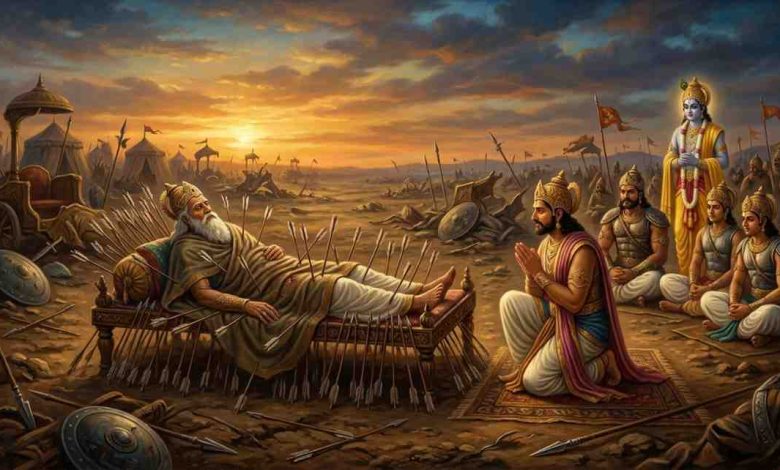
This teaching appears in discussions about the paths of renunciation and the ideal behaviors of ascetics in the Shanti Parva.
Meaning
The central idea is that by letting go of attachments, individuals can transcend worldly concerns and progress spiritually.
Application
Practicing detachment from material possessions and relationships can lead to personal liberation and spiritual growth.

