

️ मूल श्लोक (Original Shloka)
अथोत्तमान्याभरणानि देवि देहि स्नुषायै व्यपनीय चीरम्। न चीरमस्याः प्रविधीयतेति न्यवारयत्तद्वसनं वसिष्टः।।2.37.34।।
Shloka Translation (IAST)
athottamānyābharaṇāni devi dehi snauṣāyai vyapanīya cīram | na cīramasyāḥ pravidhīyate’ti nyavārayattadvasanaṃ vasiṣṭhaḥ || 2.37.34 ||
Shloka Meaning in English
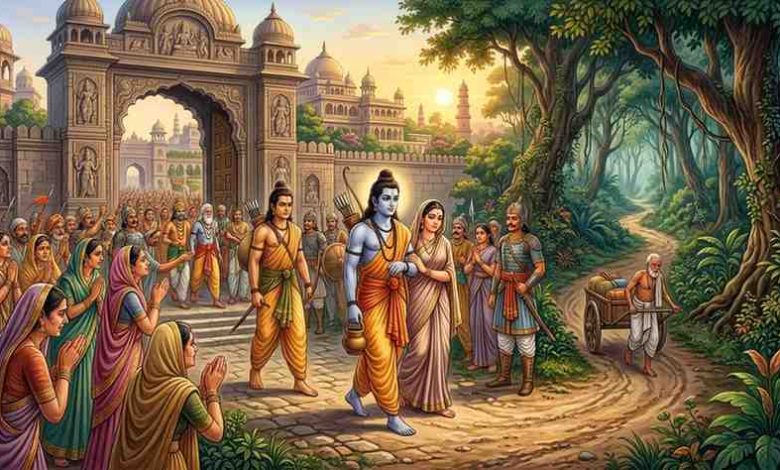
O Kaikeyi remove those bark robes and bestow on your daughterinlaw precious ornaments. She was not ordained to wear the bark. Vaisishta, saying so, prevented Sita from wearing that garment.
श्लोक का हिंदी अर्थ (Shloka Meaning in Hindi)
हे कैकेयी, उन छाल के वस्त्रों को हटा दो और अपनी बहु को कीमती आभूषण दो। उसे छाल पहनने का अधिकार नहीं था। ऐसा कहकर वसिष्ठ ने सीता को उस वस्त्र को पहनने से रोका।
Life Lessons
Life Lessons in English
This verse teaches us the importance of recognizing one’s true worth and dignity. It emphasizes that individuals should not be confined to circumstances that diminish their value.
जीवन पाठ (Life Lessons in Hindi)
यह श्लोक हमें अपने असली मूल्य और गरिमा को पहचानने का महत्व सिखाता है। यह इस बात पर जोर देता है कि व्यक्तियों को उन परिस्थितियों में नहीं रहना चाहिए जो उनके मूल्य को कम करती हैं।
Practical Application
Practical Application in English
In today’s world, we should encourage individuals to embrace their true potential and not settle for less due to societal expectations. This can be applied in various fields, including education and career choices, where everyone deserves to shine.
व्यावहारिक अनुप्रयोग (Practical Application in Hindi)
आज की दुनिया में, हमें व्यक्तियों को उनकी असली क्षमता को अपनाने के लिए प्रोत्साहित करना चाहिए और सामाजिक अपेक्षाओं के कारण कम पर समझौता नहीं करना चाहिए। यह शिक्षा और करियर के क्षेत्रों में लागू किया जा सकता है, जहाँ हर किसी को चमकने का अधिकार है।

